

How to Read Statistics Canada Labour Reports
Learn what those employment figures actually mean and where to find the data that matters for your research or work.
Read MorePractical guides to understanding employment statistics, regional disparities, and workforce participation rates through Statistics Canada data
Canada’s labour market is constantly shifting. We break down the data that matters — from employment trends by province to participation rates across different demographics. Whether you’re researching for work, school, or just staying informed, you’ll find clear explanations of Statistics Canada reports and what they actually mean for workers and employers.

Explore our latest guides on employment data and labour market analysis
Learn what those employment figures actually mean and where to find the data that matters for your research or work.
Read More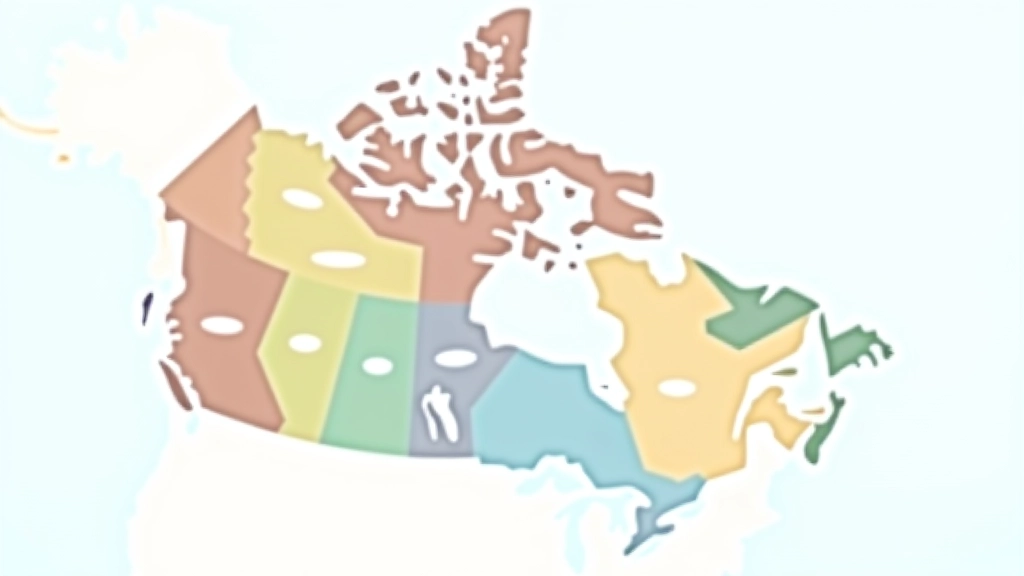
Why employment rates vary so much between provinces and what factors drive these differences in the Canadian labour market.
Read More
What participation rates tell us about who’s working, why they’re working, and how demographics shape labour force trends.
Read More
Monthly employment reports can be confusing. We explain the numbers behind job creation, loss, and what unemployment statistics really measure.
Read MoreAverage Canadian labour force participation rate
Provinces and territories tracked in Statistics Canada data
Frequency of Labour Force Survey releases
Years of historical data available for analysis
A practical approach to understanding Canadian employment statistics
Statistics Canada’s Labour Force Survey is your primary source. It’s updated monthly and covers employment, unemployment, and participation rates across the country.
Learn what employment rate, unemployment rate, and participation rate actually measure. They’re different concepts and each tells a different story about the labour market.
Regional data reveals important patterns. Employment situations differ significantly between provinces and even within regions, influenced by local industries and economic factors.
Single data points aren’t meaningful. Compare month-to-month and year-over-year changes to spot real trends in employment growth or decline.